Call NowShivamsundaramcarbonproducts@gmail.comPrecision Engineering. Reliable Performance.

Carbon Black

Dry Pelletizing Rotating Drum

Water-free rotating-drum pelletizing system for producing soft carbon black pellets with lower energy demand.

Dry Pelletizing Rotating Drum
SSCPPLCarbon Black
Equipment overview

Dry Pelletizing Rotating Drum

Water-free rotating-drum pelletizing system for producing soft carbon black pellets with lower energy demand.

Project enquiriesDiscuss your requirements with our team

Share your application and operating requirements so we can discuss the equipment with you.

Product information

A closer look at the equipment.

Overview

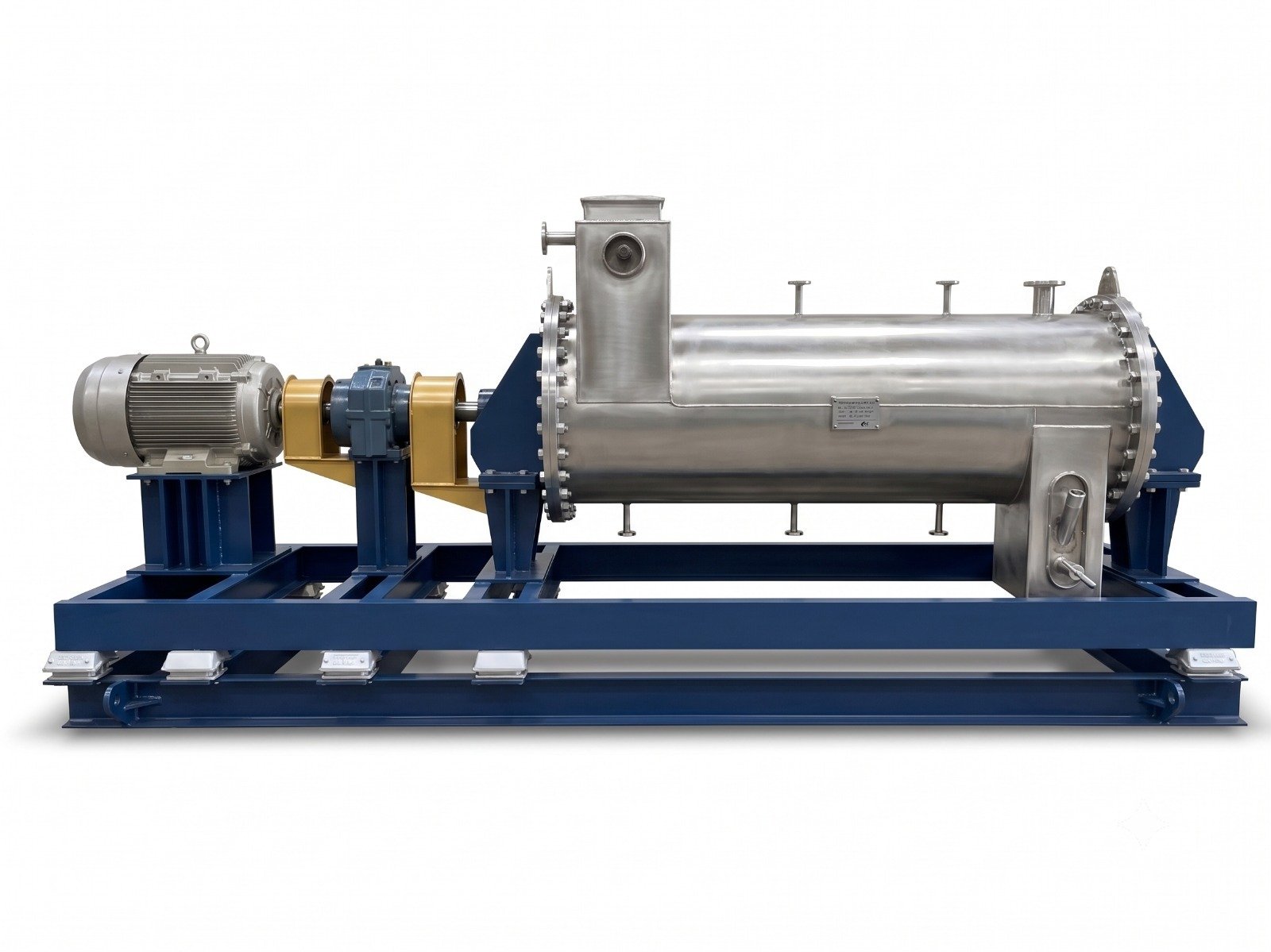
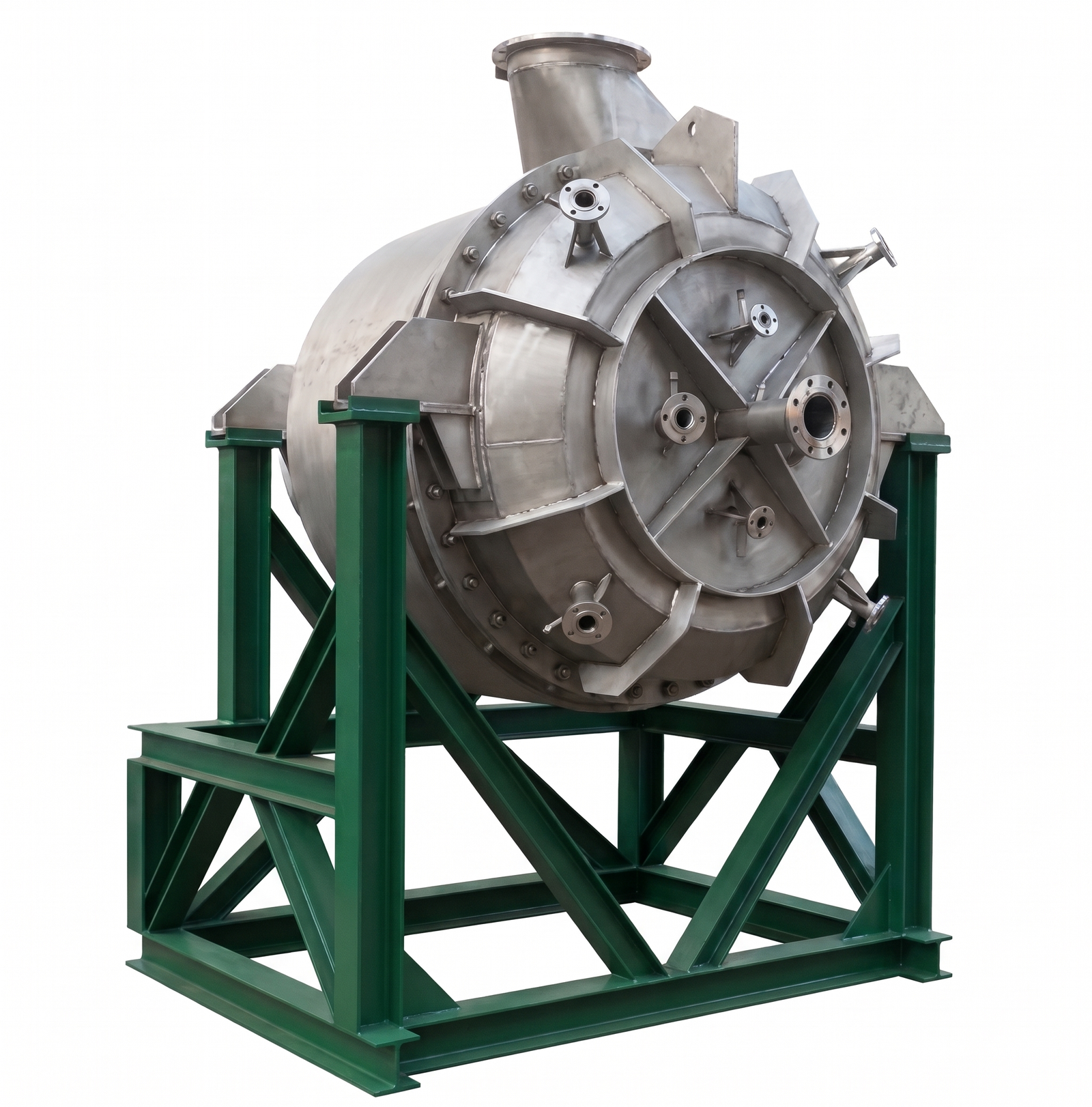
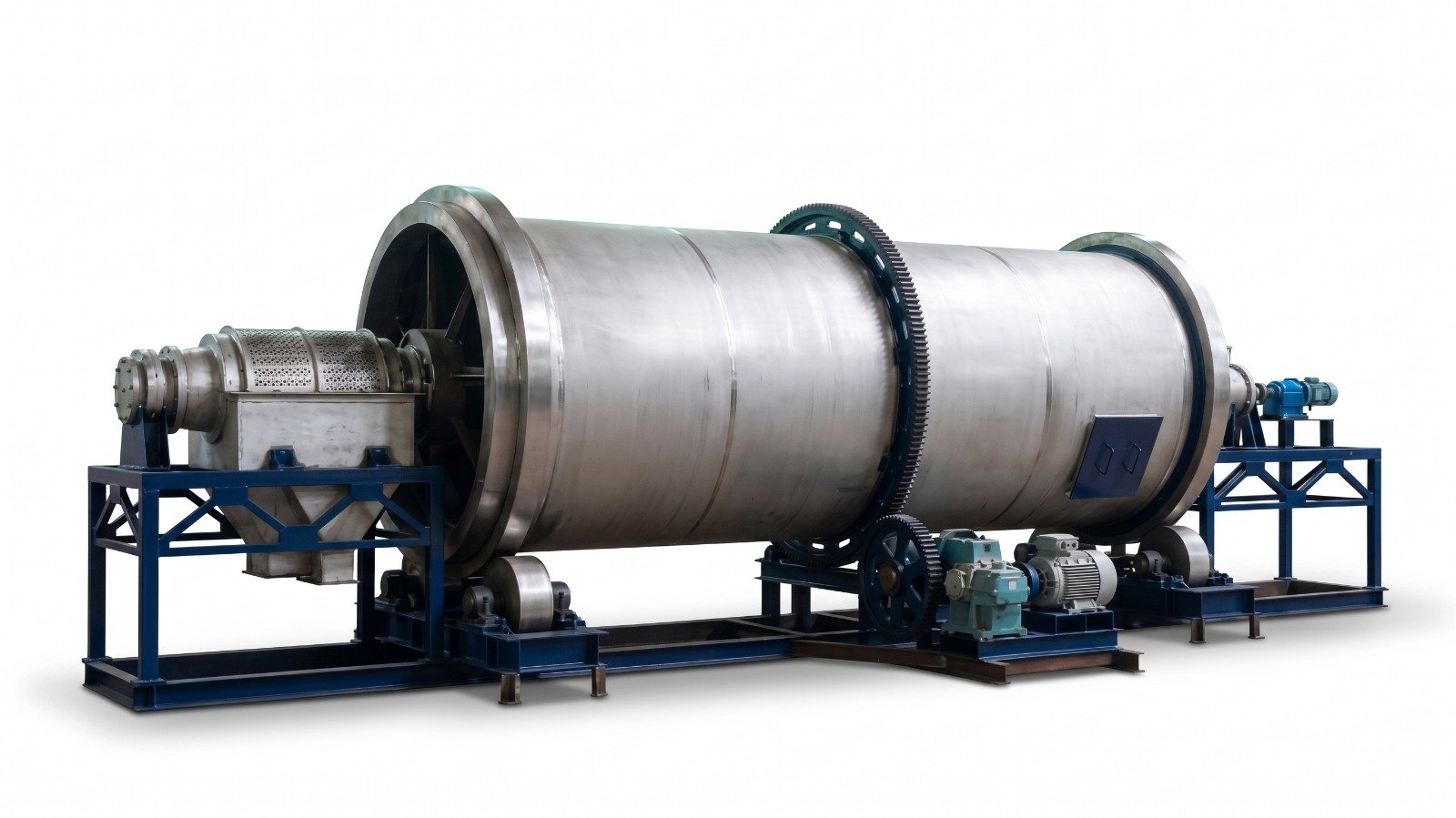
The dry pelletizing system uses a cylindrical drum rotating at approximately 14.3 rpm. Friction between the rotating wall and fluffy carbon black directly forms pellets, without adding water or off-gas energy for granulation.

Fluffy carbon black enters the drum and pellets discharge from the opposite end through internal scoops. An internal screw conveyor feeds and discharges product while recycling pellets from the discharge end back to the inlet. This re-seeding action is essential for correct operation and typically recycles at about three times the feed rate.
01

Applications

Dry pelletizing of fluffy carbon black
Specialty-grade carbon black production
Recovered carbon black (rCB) pellet production
02

Benefits

No water addition required
Lower energy demand than wet granulation
Soft pellets suitable for improved dispersibility and low FPV specialty grades
03

Technical information

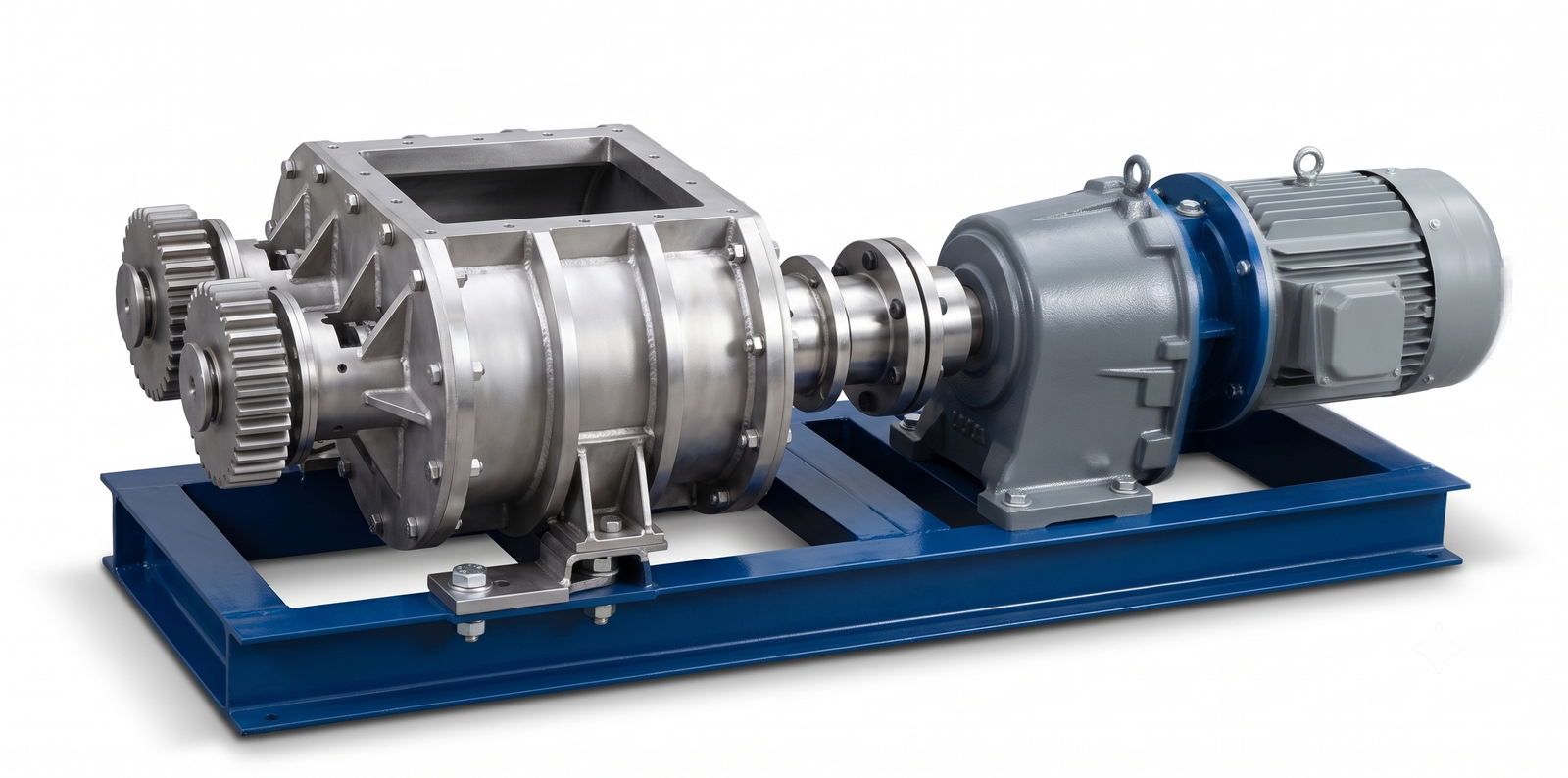
The drum has an internal static scraper and discharge rotary screen for large particles. A VFD controls main-drum speed and is required for startup. The system operates under slight vacuum of approximately -2 to -3 mBar and uses rotary air locks for main-product and lumps discharge.

Before the first startup of an empty drum, it must be charged with seed pellets before fluffy carbon black is fed. Regular fluffy carbon black normally produces pellets that are smaller and softer than wet-granulated carbon black; these are suitable for specialty grades requiring improved dispersibility and low FPV. When processing recovered carbon black (rCB), the pellets are harder. Conventional pellet-hardness, pellet-size-distribution and fines standards may not apply directly, and the 1.4 to 1.7 mm diameter required for an IPH test may not always be available.